
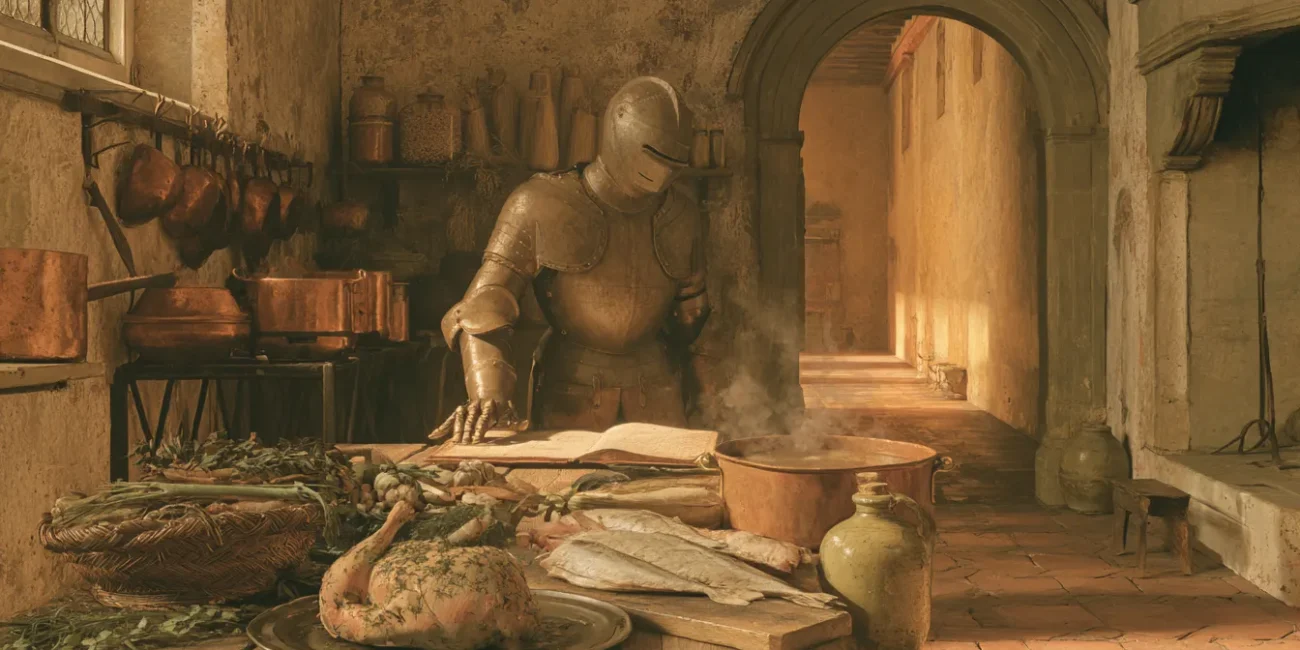
Hire an AI waiter with attitude for your restaurant
Your restaurant's site has the menu, the opening hours, and the story you have written for every dish: why you chose this olive oil, why this soup is only on in winter, why the chef came back from the south of France to open this place. These stories are the attitude with which you run this place, the value behind the printed price that you want guests to taste. But when a visitor opens the menu, they see only names and prices; there is no one to recommend which dish is worth ordering, no one to explain why it is special, no one to turn the printed price into real value.
The waiter's attitude comes from the dishes and stories you already care about
This AI waiter can tell stories because your site already wrote down what needed writing. The menu page has ingredient labels and vegetarian options, the blog has seasonal notes and a chef introduction, the FAQ has reservation and pet-friendly rules, and the events page has the month's special sittings; it walks along this existing content, threading the visitor's current question to the right page.
The brand story, the origin of each dish, and what the chef means to express are the content visitors most need to know and that most raises the dining experience and value, yet it is hard to ask staff to memorize it fully. An AI rep will certainly remember this more completely than an ordinary employee: its memory is your site itself, and it can find every dish, every ingredient note, and every chef introduction you have written.
One question, and the whole table's story falls into place
Someone flipping through the menu asks, "Where does the beef in this dish come from?" It finds the answer in the ingredient notes you wrote and tells them the origin and the reason for the choice. Someone planning a date asks, "I want this soup; what wine goes well with it?" Based on your wine list and pairing suggestions, it gives a direction.
Someone who read the chef's story asks, "Where did the chef work before? How long has this place been open?" It pulls the timeline from your About page and passes along the chef's blog link too. Someone asks about operating details, "Do I need a reservation for Sunday at six?" Based on the reservation rules you wrote, it tells them parties of four or fewer do not, and five or more should book ahead.
By the time a visitor sees these few exchanges, your site has quietly risen to another level. Where a visitor once had to flip back and forth between the menu, the blog, and the About page to read each dish's story, now one sentence is enough. What rises is not only the price of each dish but how guests feel about this place. A place that has someone telling its stories naturally has warmth.
 繁體中文
繁體中文  English